Industry
Information Technology
Industry
Information Technology
Industry
Information Technology
Year
2021
Year
2021
Year
2021
Role
Lead UX System Designer
Role
Lead UX System Designer
Role
Lead UX System Designer
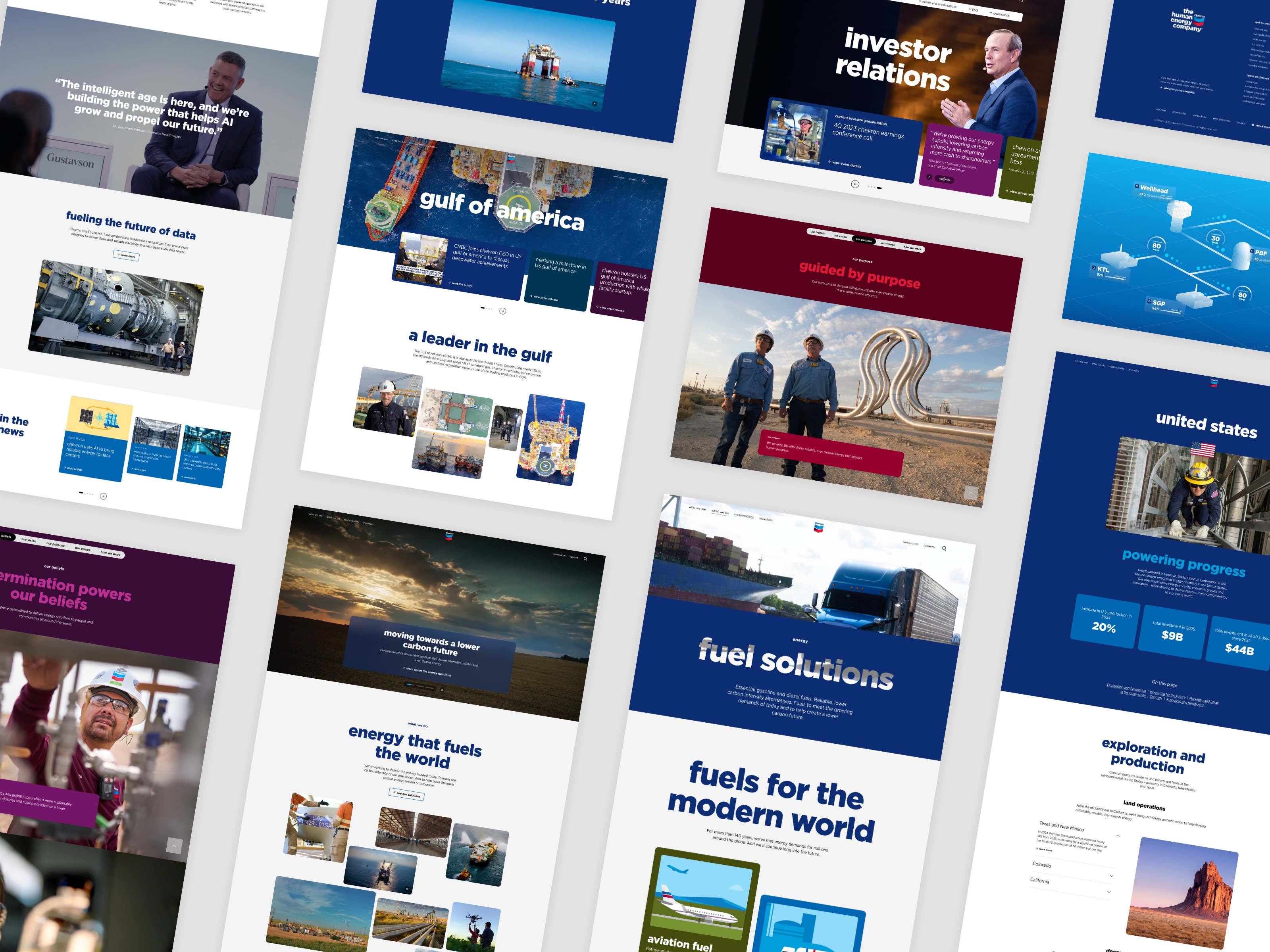
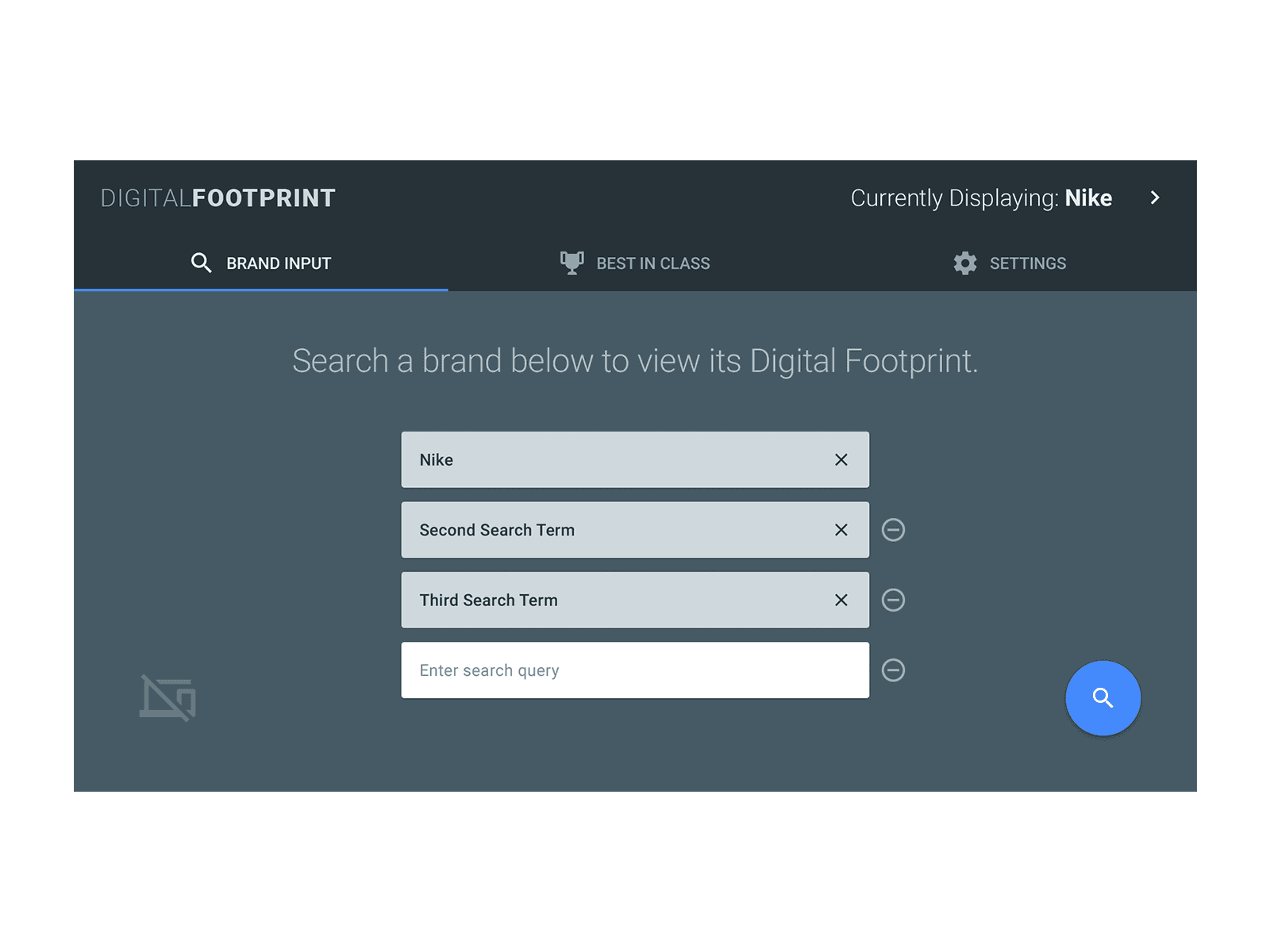
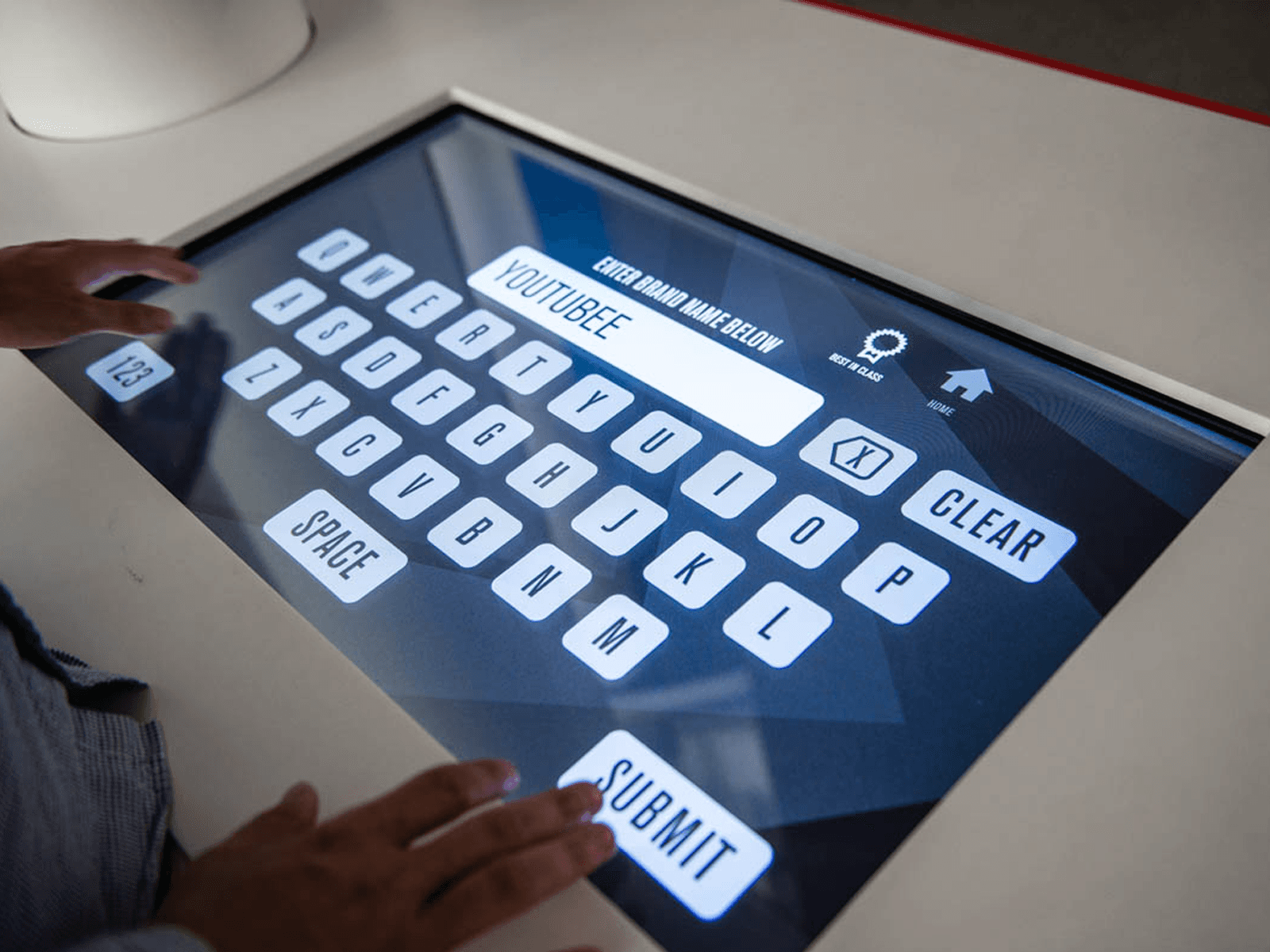
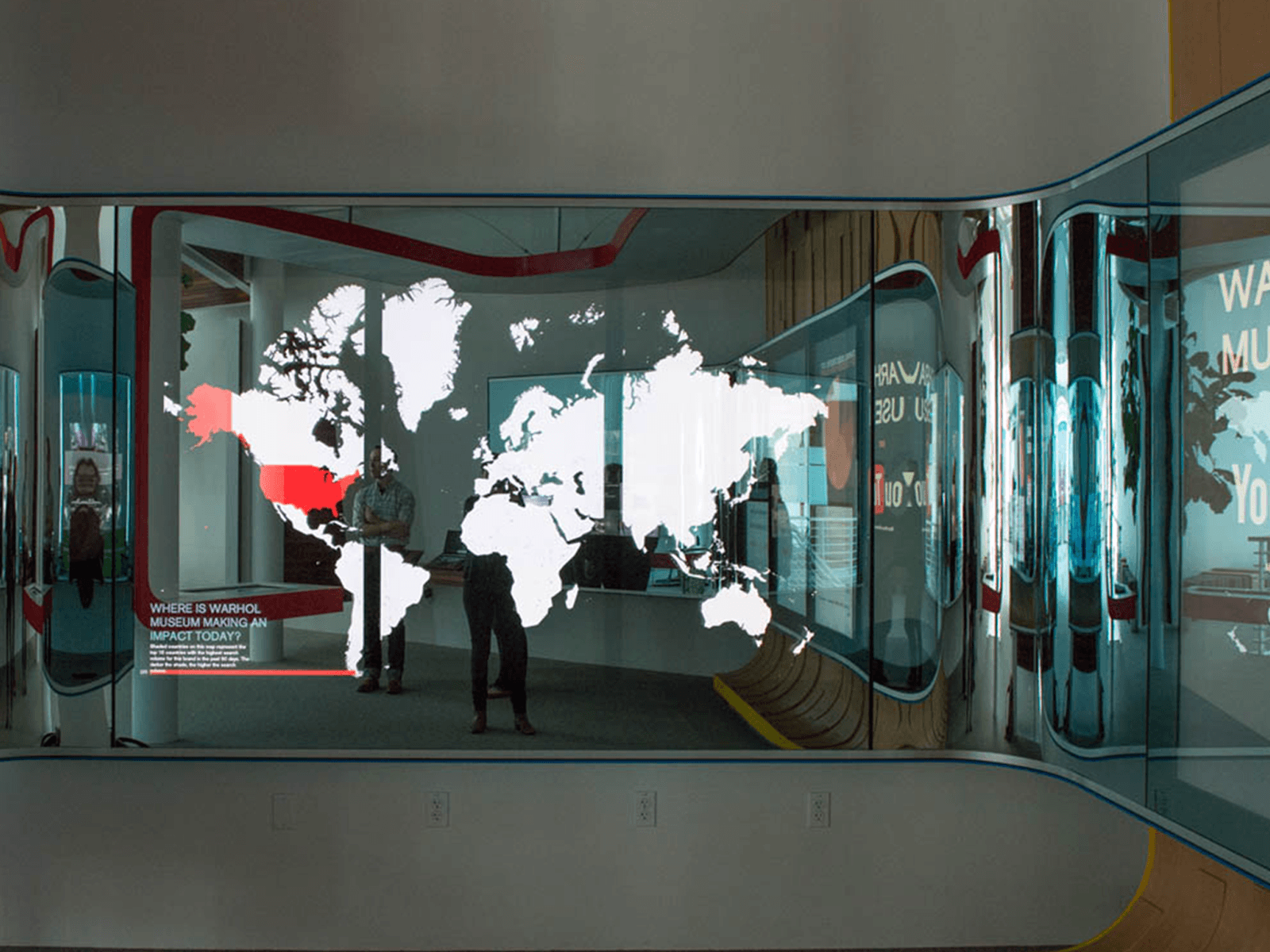
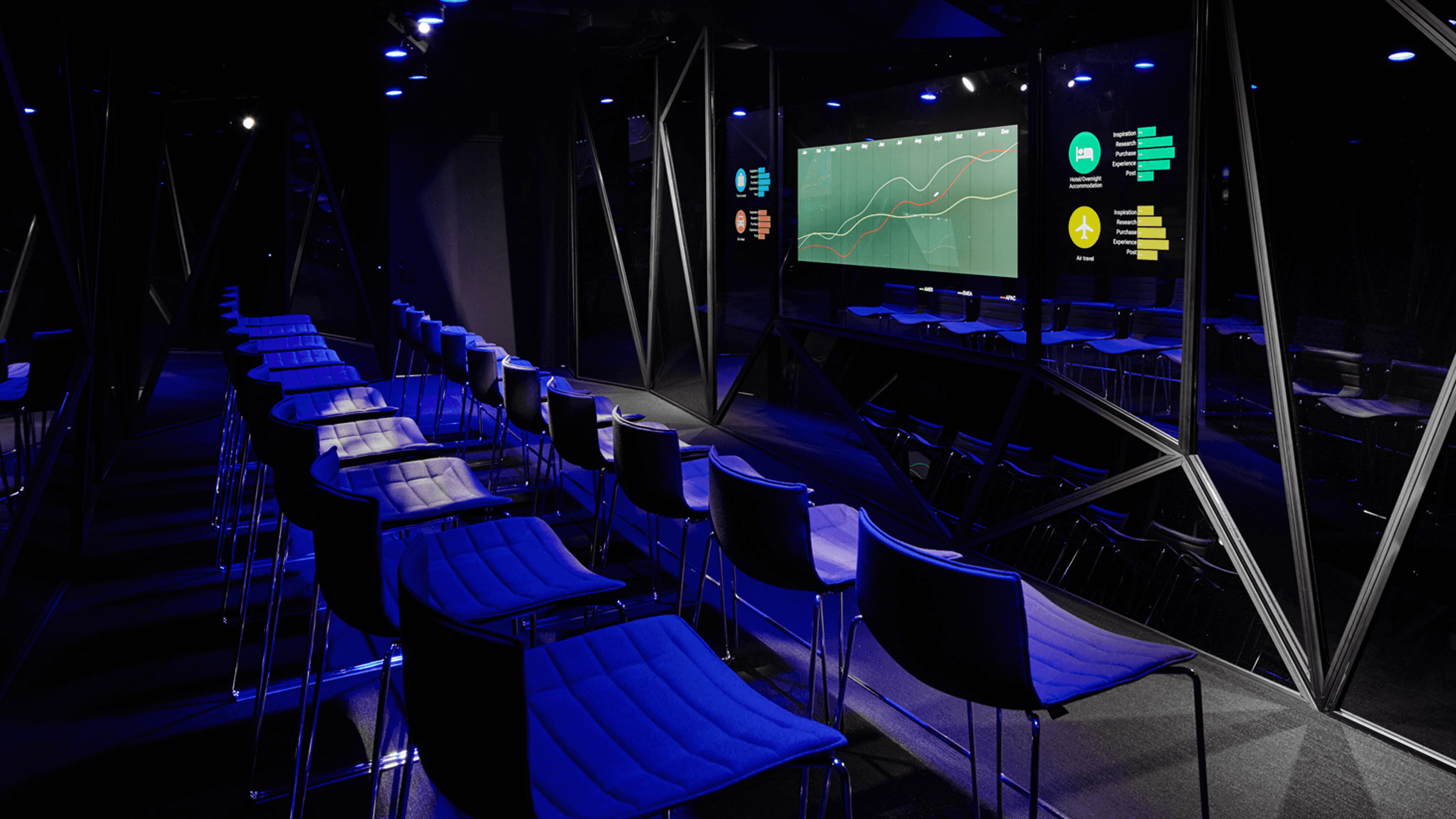
Digital Footprint 2.0 - A global UX system enabling Google’s Experience Centers to visualize brand presence across Search, YouTube, Website, Social, and Geo data — adaptable to any physical space or screen configuration.
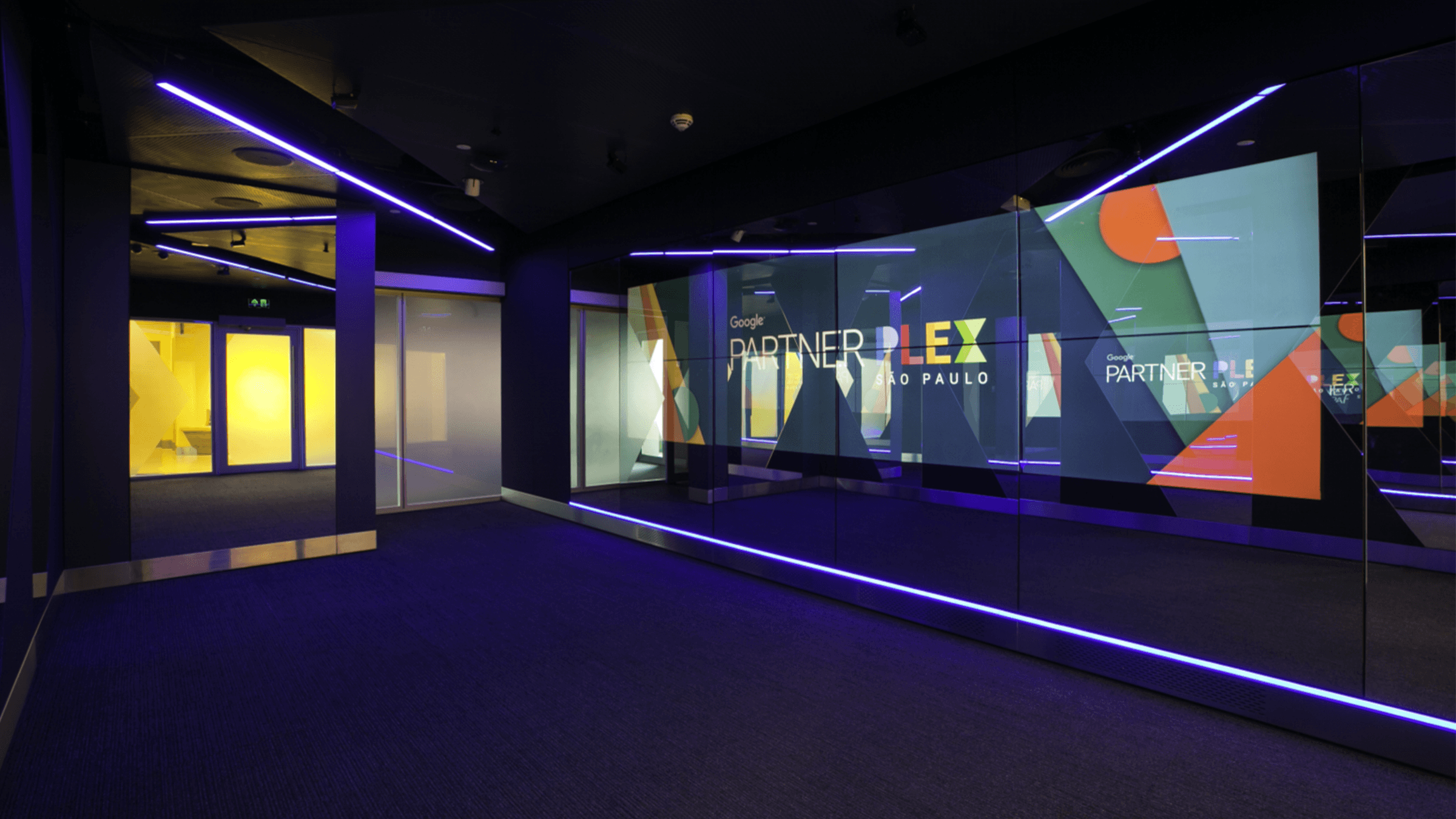
A global UX system enabling Google’s Experience Centers to visualize brand presence across Search, YouTube, Website, Social, and Geo data — adaptable to any physical space or screen configuration.
Digital Footprint 1.0 was a popular Experience Center installation, but it couldn’t scale. It ran on a single hardware configuration, modules aged quickly, and the codebase was difficult to maintain. The Centers host global executives, partners, and internal teams—sometimes guided by trained presenters, and in other locations functioning as self-directed experiences. Google needed a redesigned system that could flex across different architectural layouts, screen types, and Center operations.
To support new installations in Mountain View, São Paulo, and Tokyo—and prepare for global expansion—the team required a hardware-agnostic, modular, responsive design system.
Digital Footprint 1.0 was a popular Experience Center installation, but it couldn’t scale. It ran on a single hardware configuration, modules aged quickly, and the codebase was difficult to maintain. The Centers host global executives, partners, and internal teams—sometimes guided by trained presenters, and in other locations functioning as self-directed experiences. Google needed a redesigned system that could flex across different architectural layouts, screen types, and Center operations.
To support new installations in Mountain View, São Paulo, and Tokyo—and prepare for global expansion—the team required a hardware-agnostic, modular, responsive design system.
My Role
I led the UX/UI design and prototyping for a fully responsive, modular version of Google’s Digital Footprint exhibit. My work included
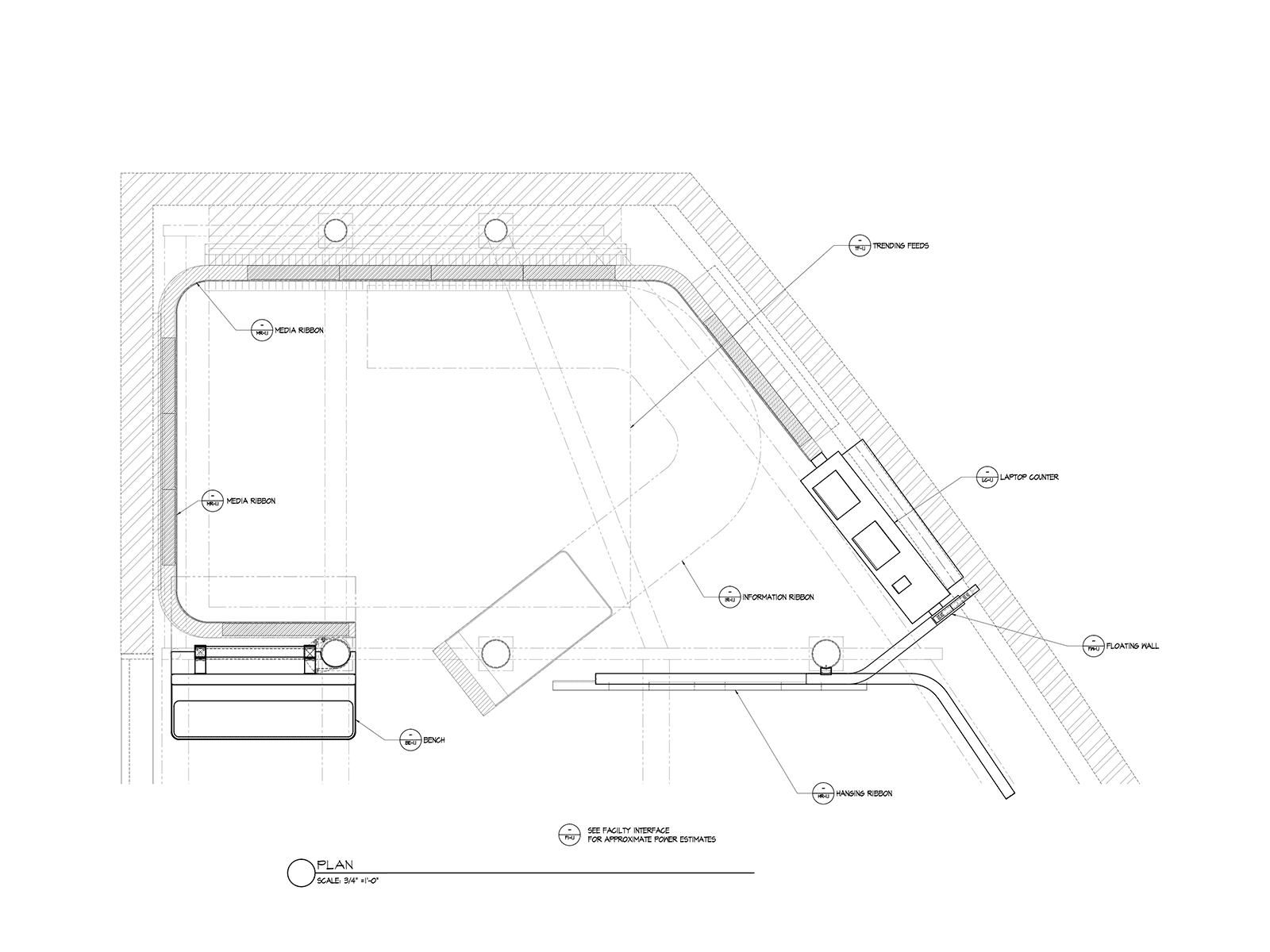
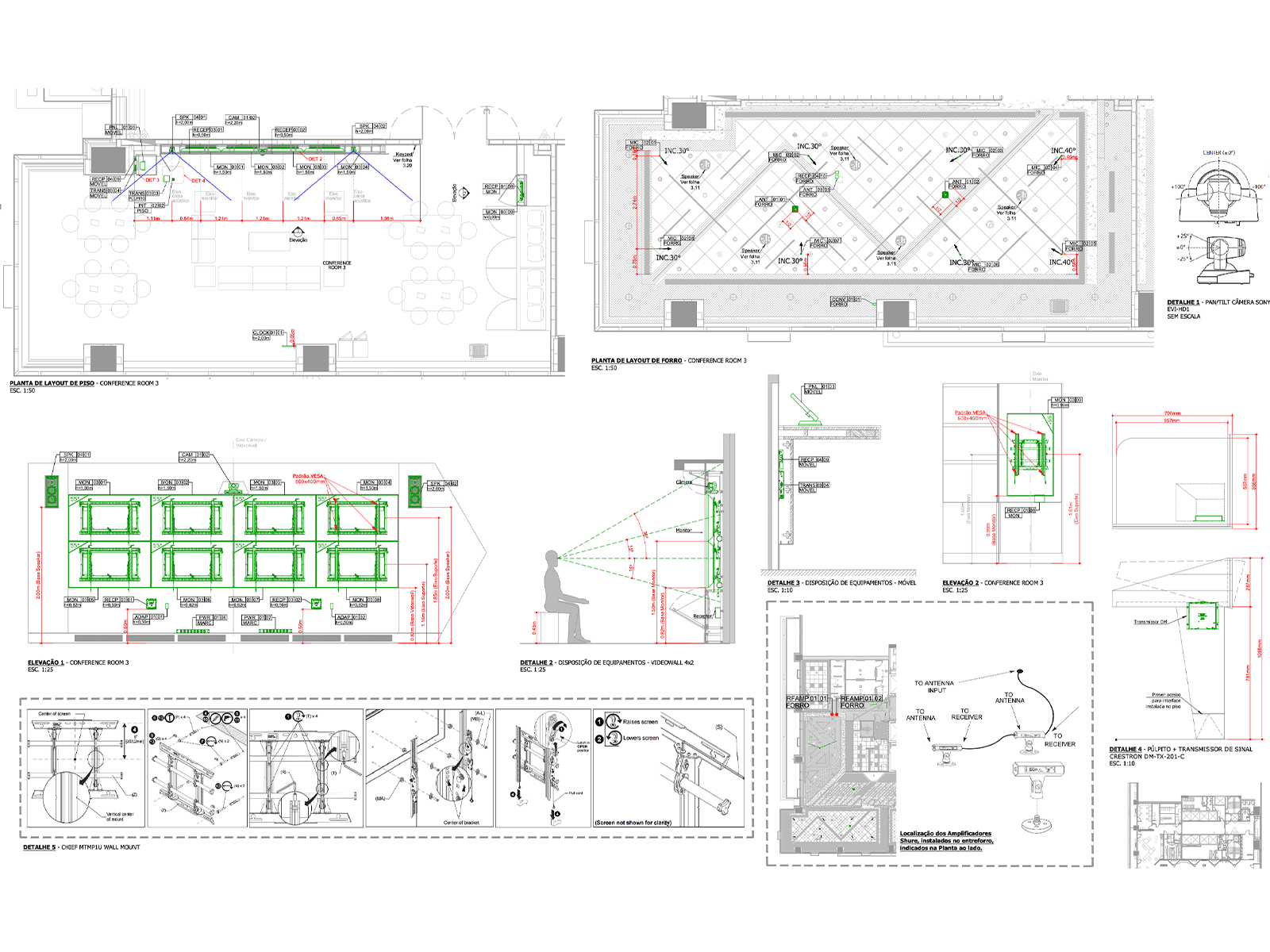
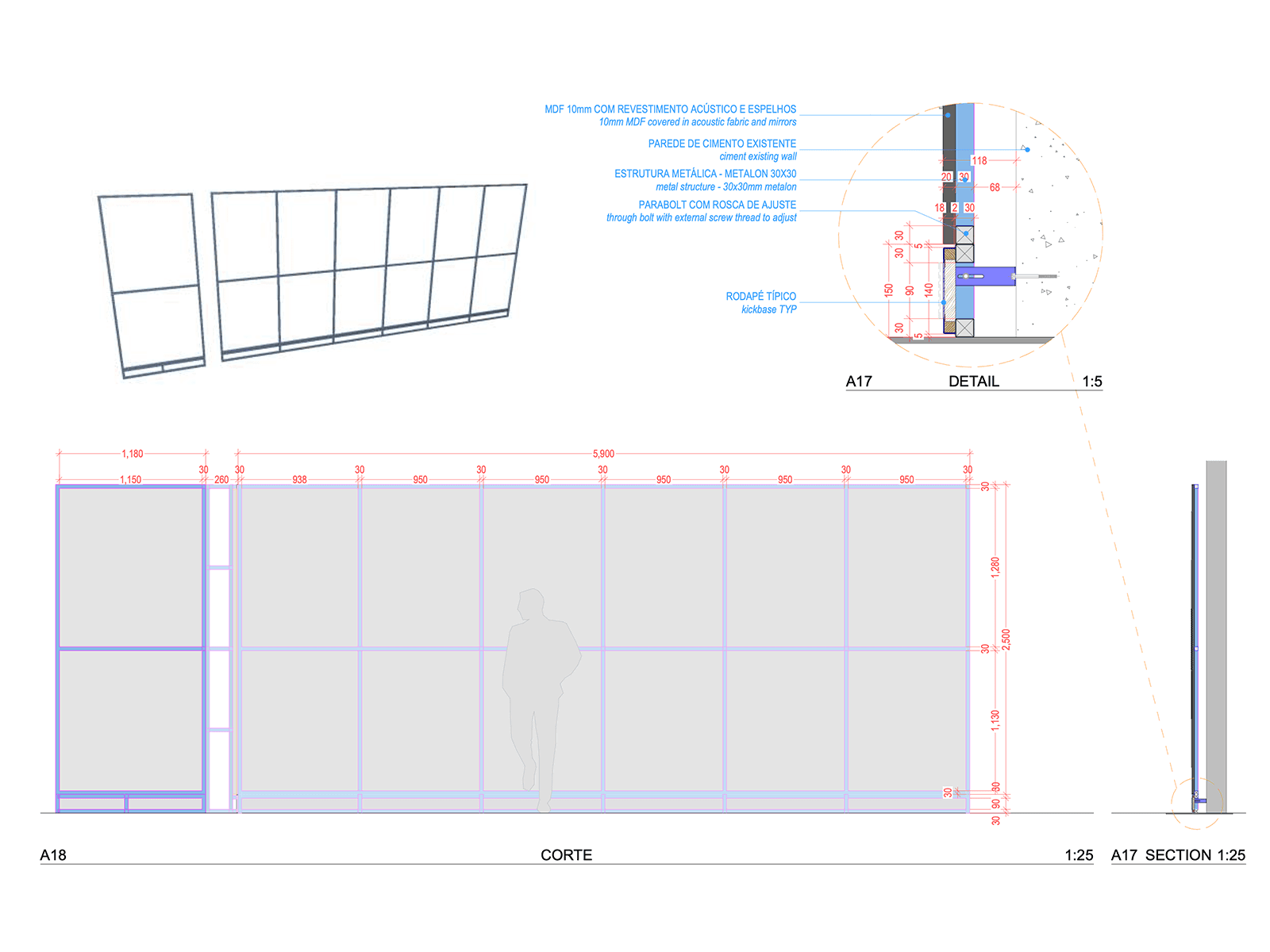
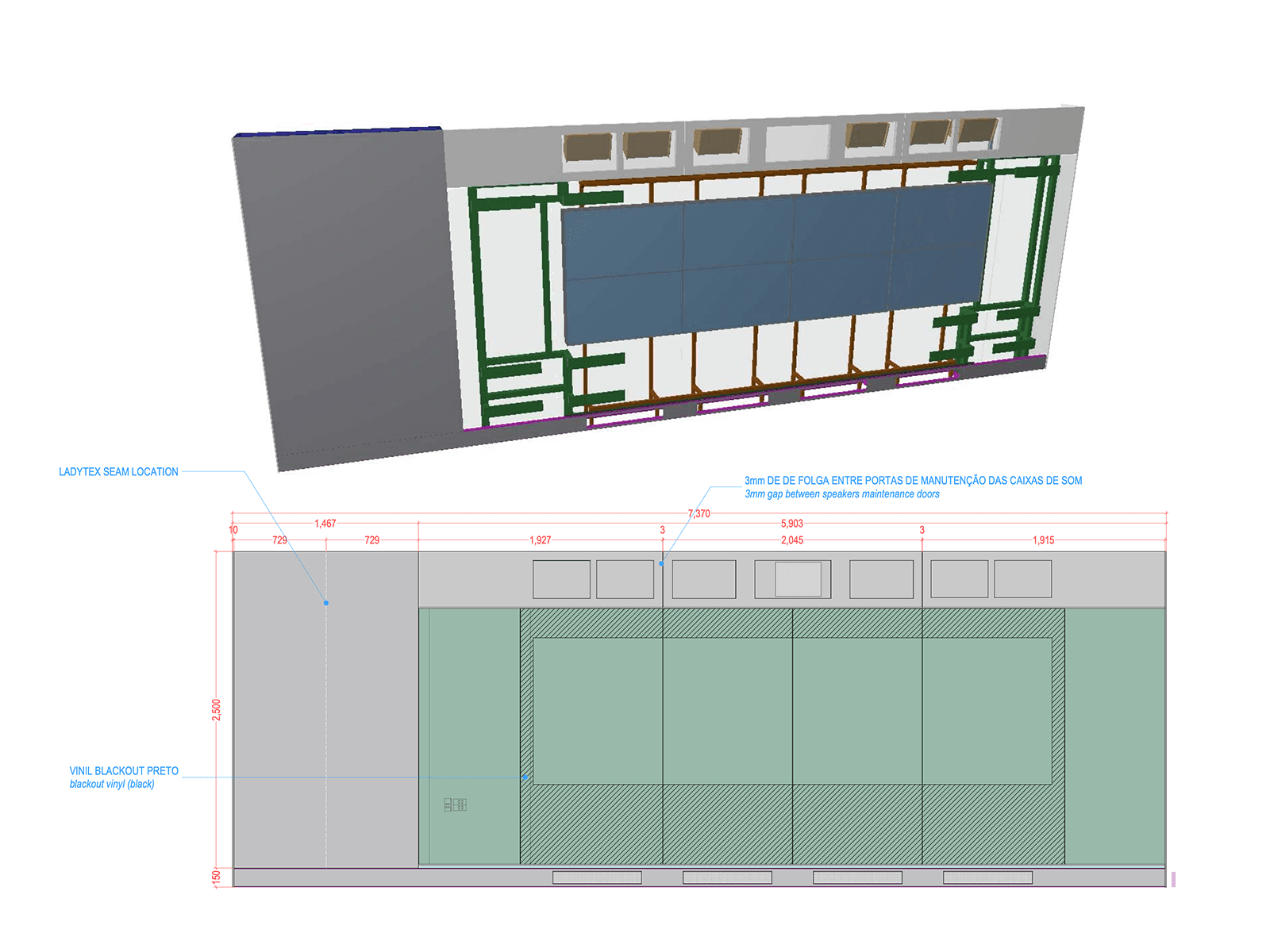
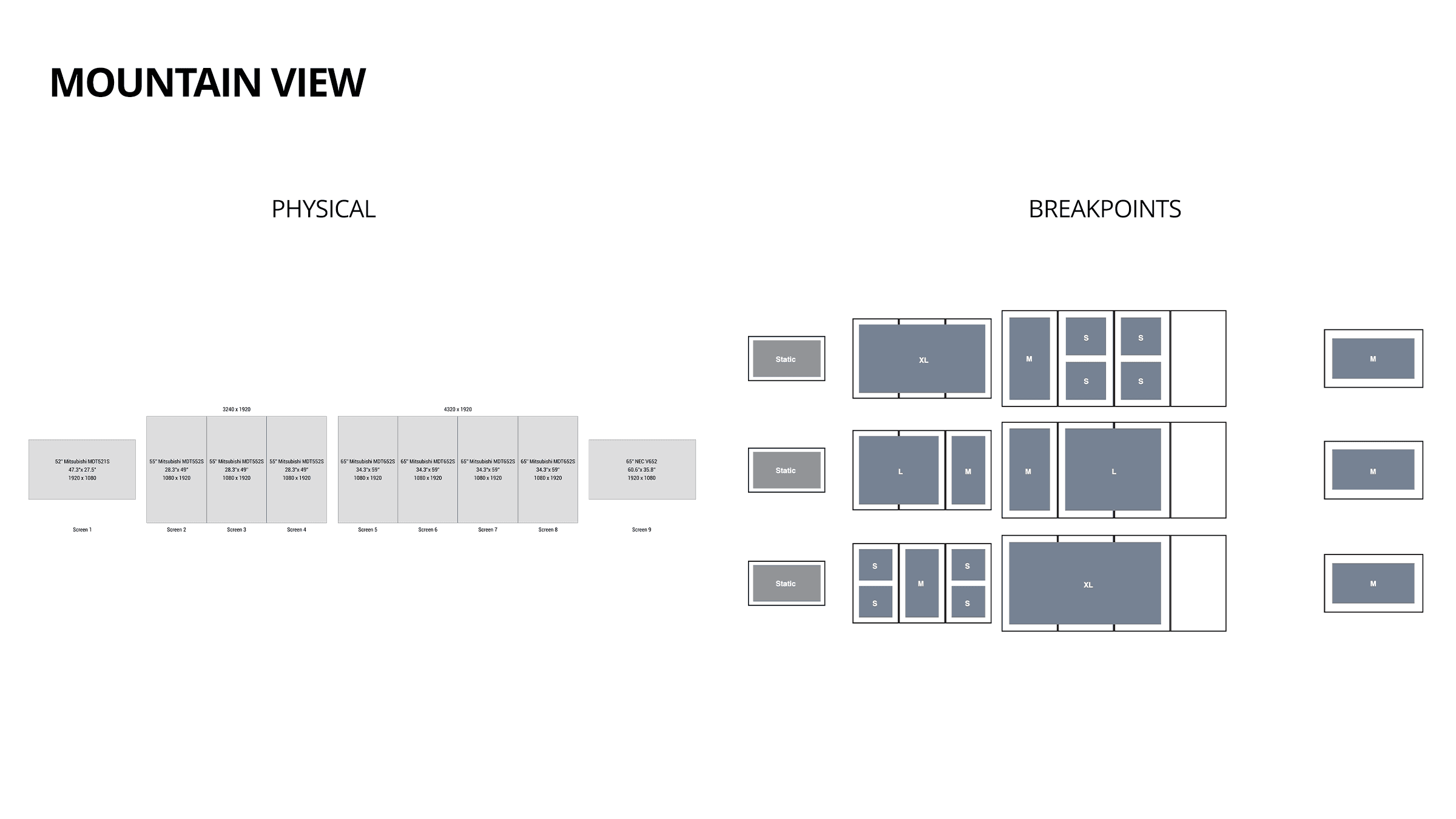
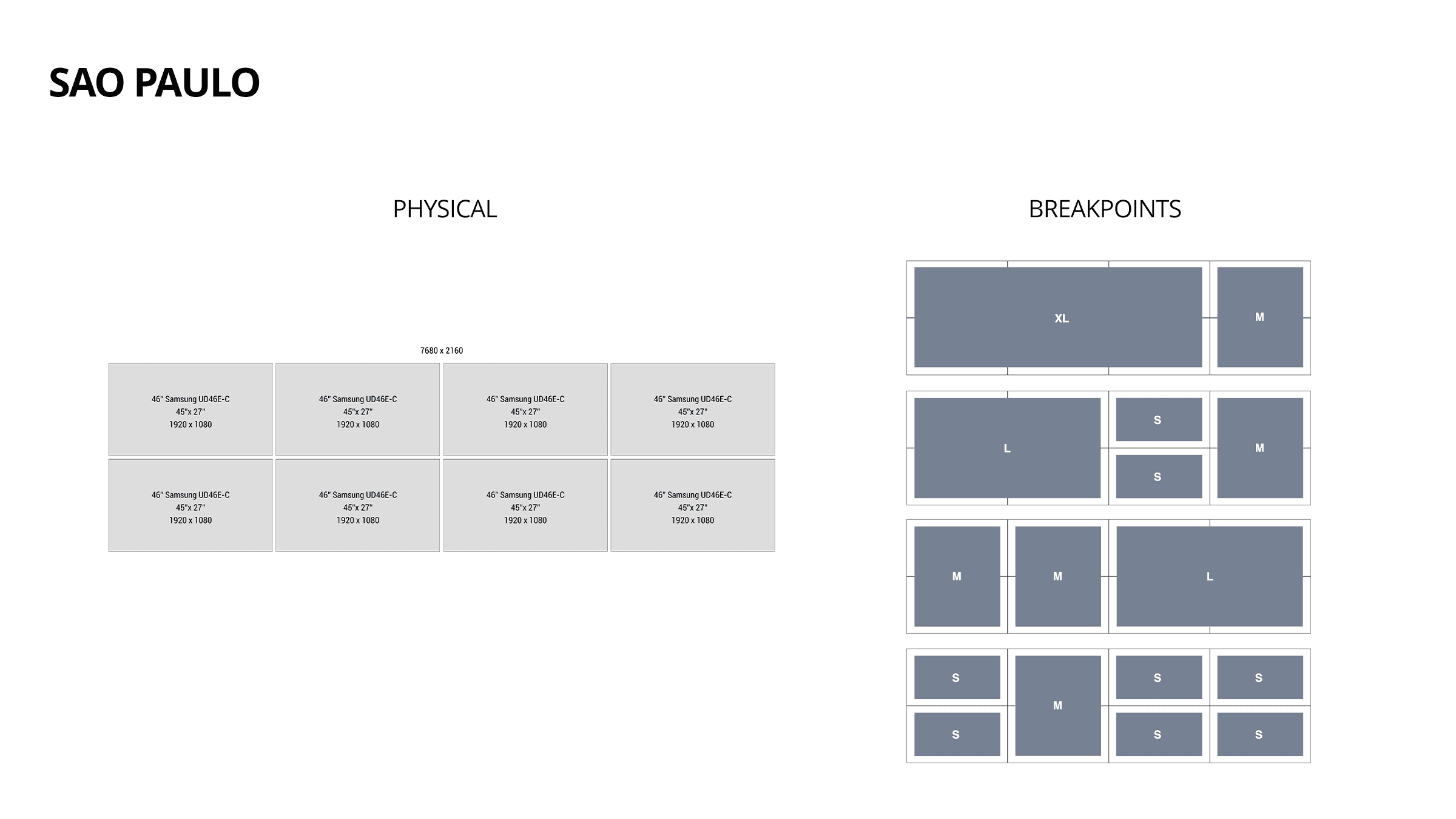
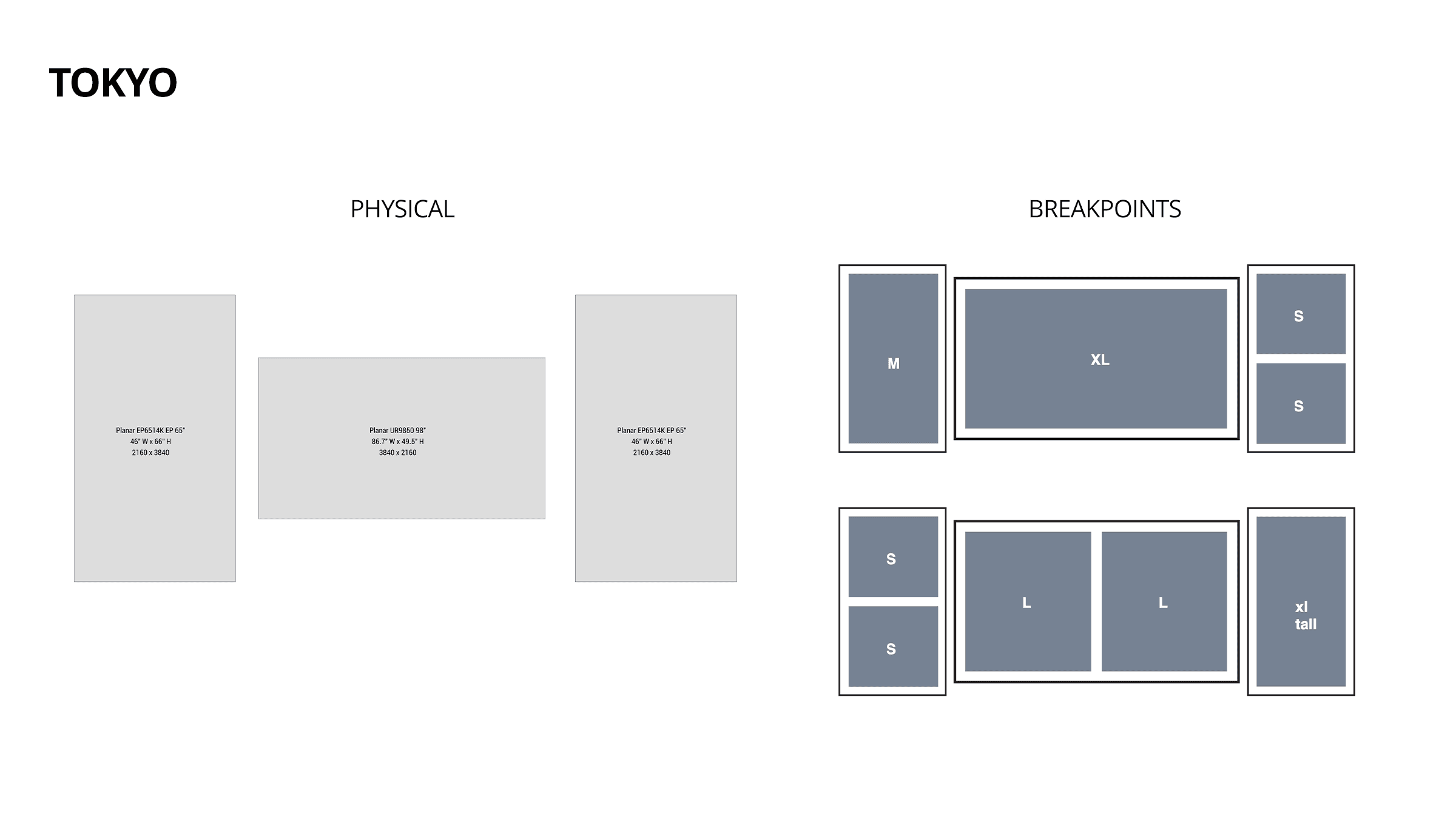
Translating architectural blueprints and screen specs across global Centers into design constraints
Creating a modular, reconfigurable UI system
Designing a presenter-optional guided narrative
Prototyping adaptive layouts across multiple screen and scenic configurations
I led the UX/UI design and prototyping for a fully responsive, modular version of Google’s Digital Footprint exhibit. My work included
Translating architectural blueprints and screen specs across global Centers into design constraints
Creating a modular, reconfigurable UI system
Designing a presenter-optional guided narrative
Prototyping adaptive layouts across multiple screen and scenic configurations
Designing a system that adapts to any physical environment
Responsive Architecture
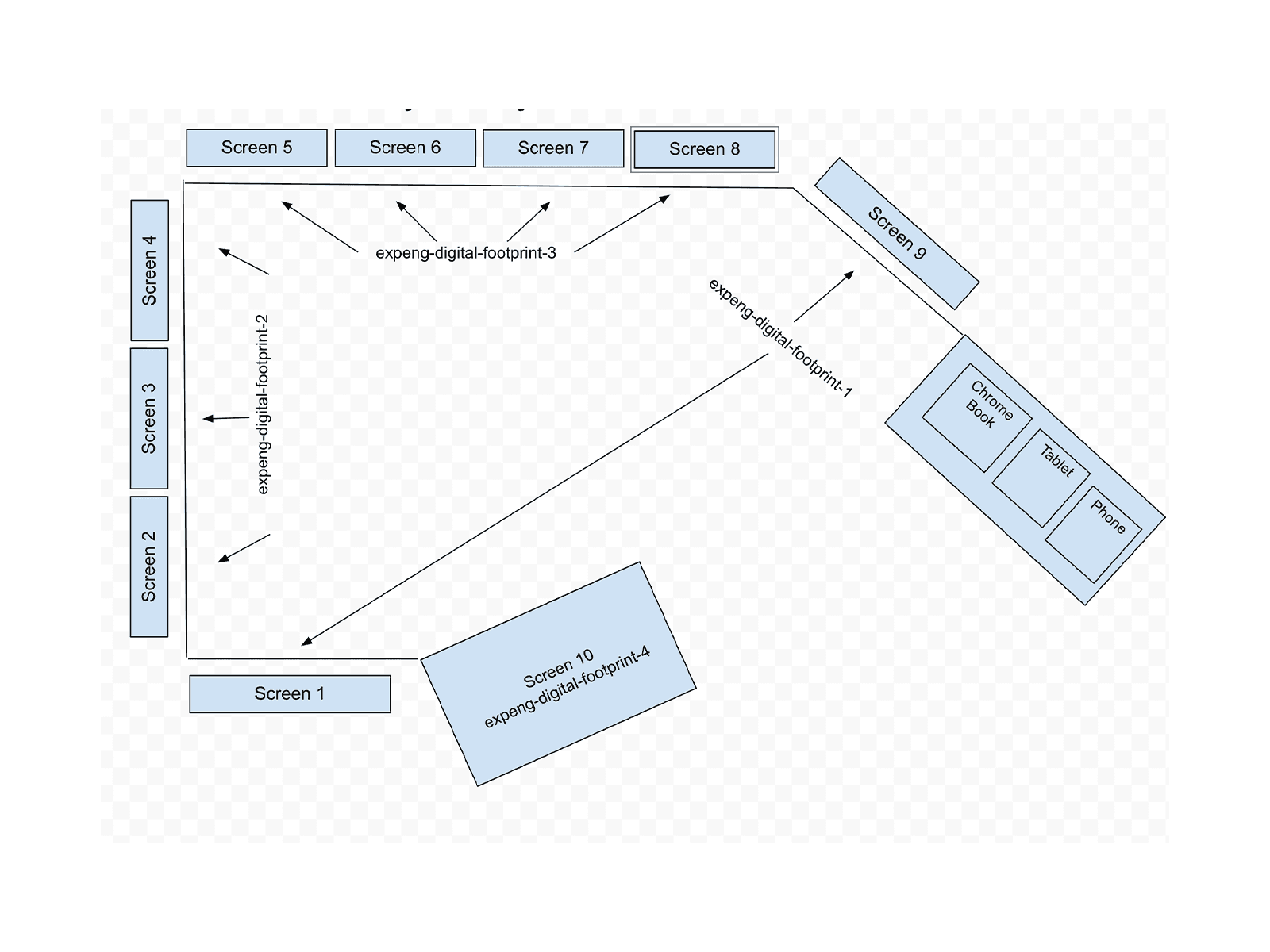
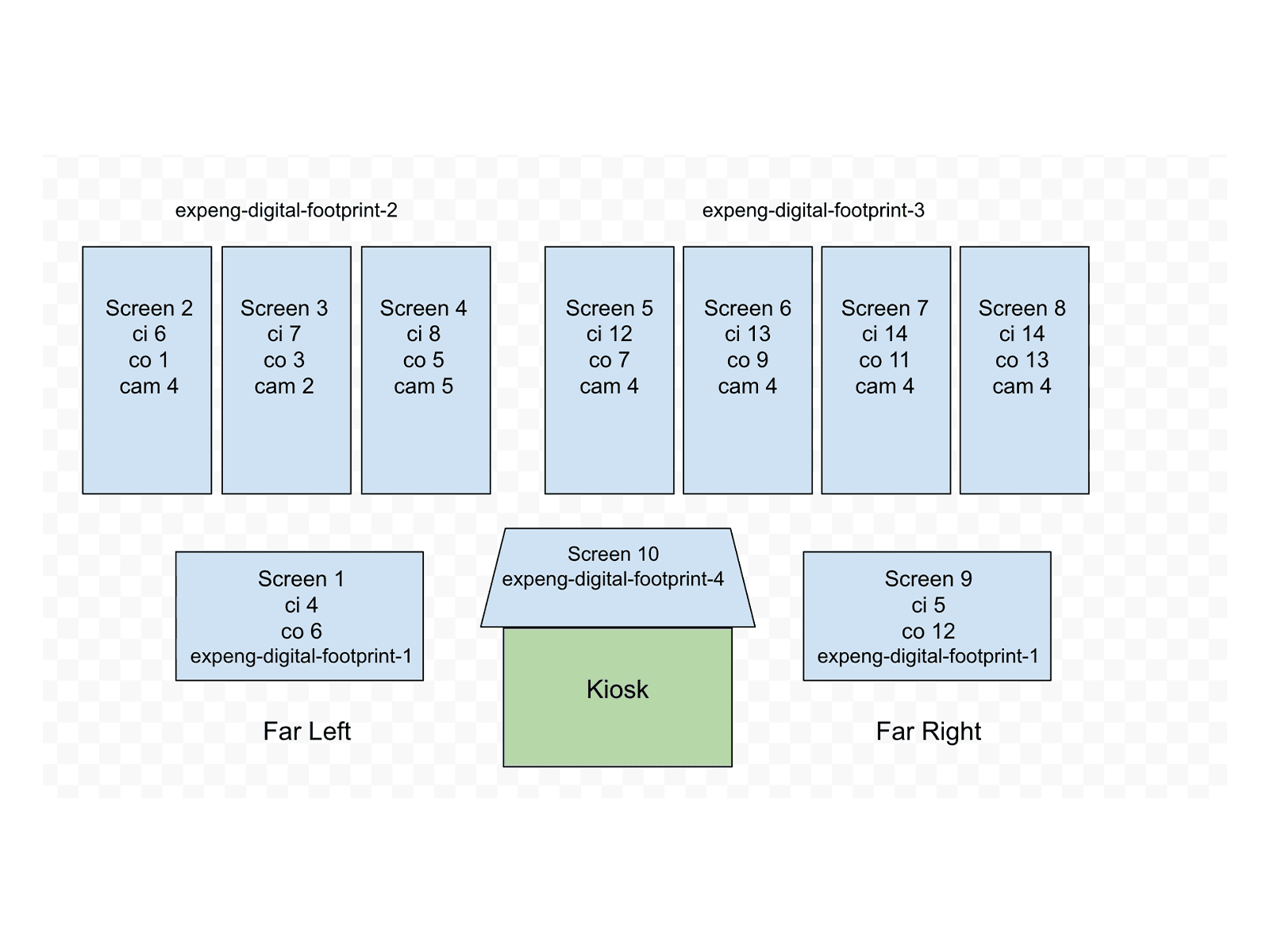
To support screens of different sizes, orientations, and aspect ratios, I designed a grid-based responsive system that automatically adjusts layout, typography scale, module sequencing, and animation timing.
To support screens of different sizes, orientations, and aspect ratios, I designed a grid-based responsive system that automatically adjusts layout, typography scale, module sequencing, and animation timing.
Modular Experience Design
The system was built from independent, composable modules — Search, YouTube, Website, Social, Geo, Knowledge Panel. Google Centers could turn modules on/off, reorder them, or add new ones without redesigning the system.
The system was built from independent, composable modules — Search, YouTube, Website, Social, Geo, Knowledge Panel. Google Centers could turn modules on/off, reorder them, or add new ones without redesigning the system.
Guided Narrative Flow
Because not all Centers have trained presenters, the experience needed to deliver a clear, cinematic story on its own. I designed a structured flow that leads visitors through brand insights, whether facilitated or self-guided.
Because not all Centers have trained presenters, the experience needed to deliver a clear, cinematic story on its own. I designed a structured flow that leads visitors through brand insights, whether facilitated or self-guided.
Blueprint-Driven Adaptation
Each Center has unique scenic design. I mapped the experience grid directly to architectural blueprints from Mountain View, São Paulo, and Tokyo, creating layout rules that adapt naturally to each location.
Each Center has unique scenic design. I mapped the experience grid directly to architectural blueprints from Mountain View, São Paulo, and Tokyo, creating layout rules that adapt naturally to each location.
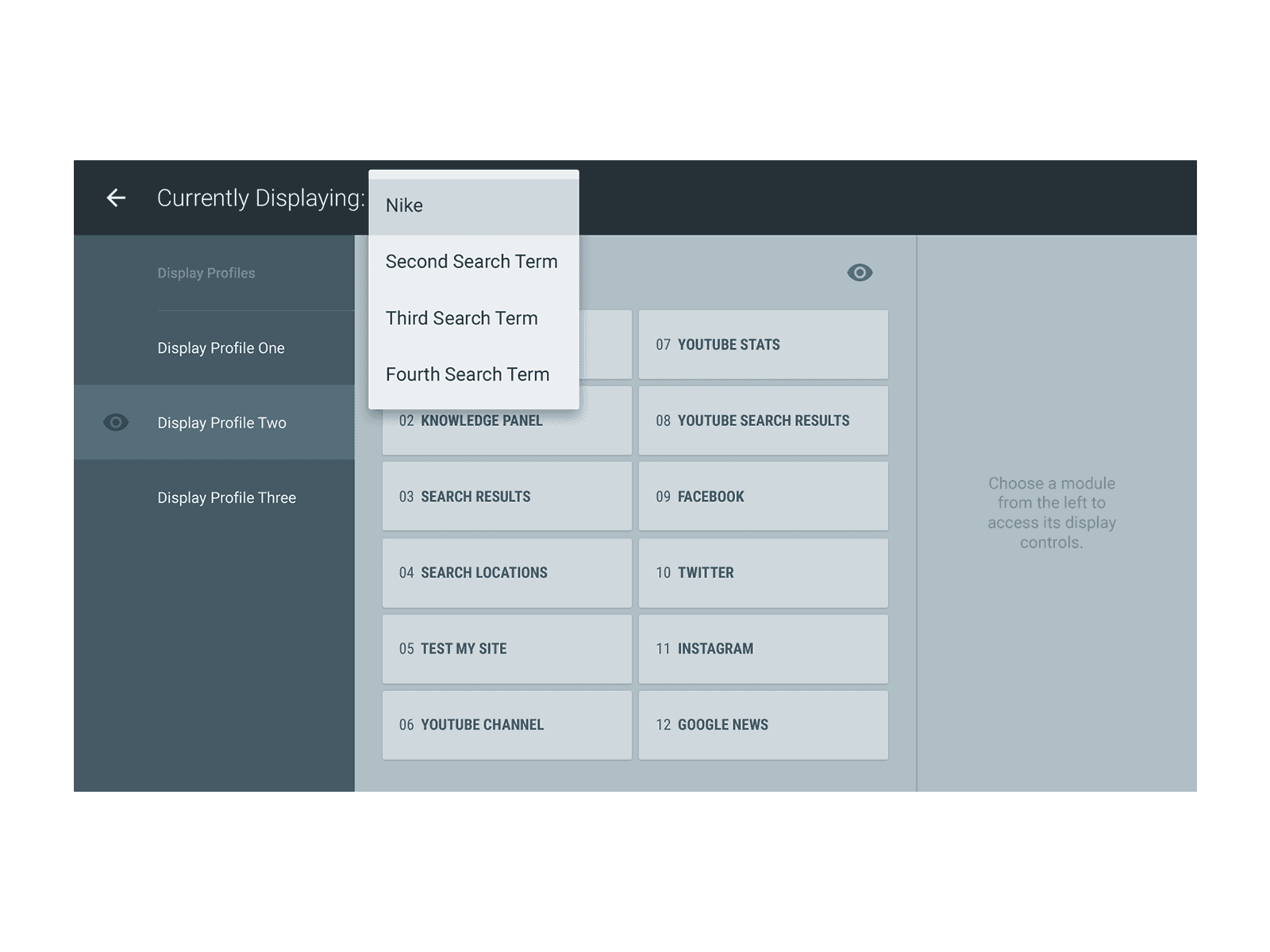
A flexible, modular platform for global deployment
The final design system enabled Google to deploy Digital Footprint across any Experience Center using SPFX glass. Key outcomes:
Fully hardware-agnostic responsive framework
Modular architecture supporting new features and future expansion
A unified visual language across brand touchpoints
Presenter-optional guided experience
Localization-ready interface
The final design system enabled Google to deploy Digital Footprint across any Experience Center using SPFX glass. Key outcomes:
Fully hardware-agnostic responsive framework
Modular architecture supporting new features and future expansion
A unified visual language across brand touchpoints
Presenter-optional guided experience
Localization-ready interface
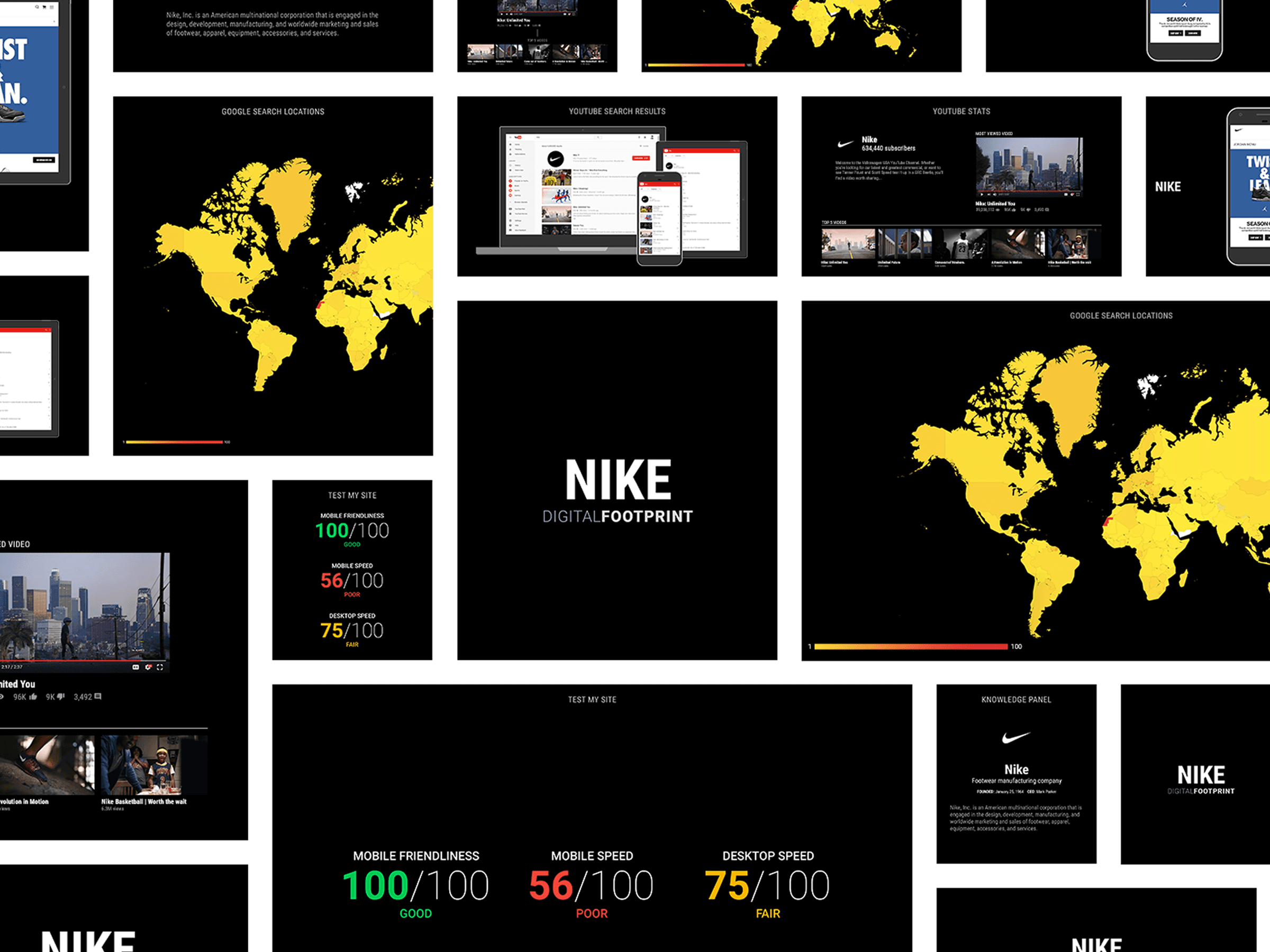
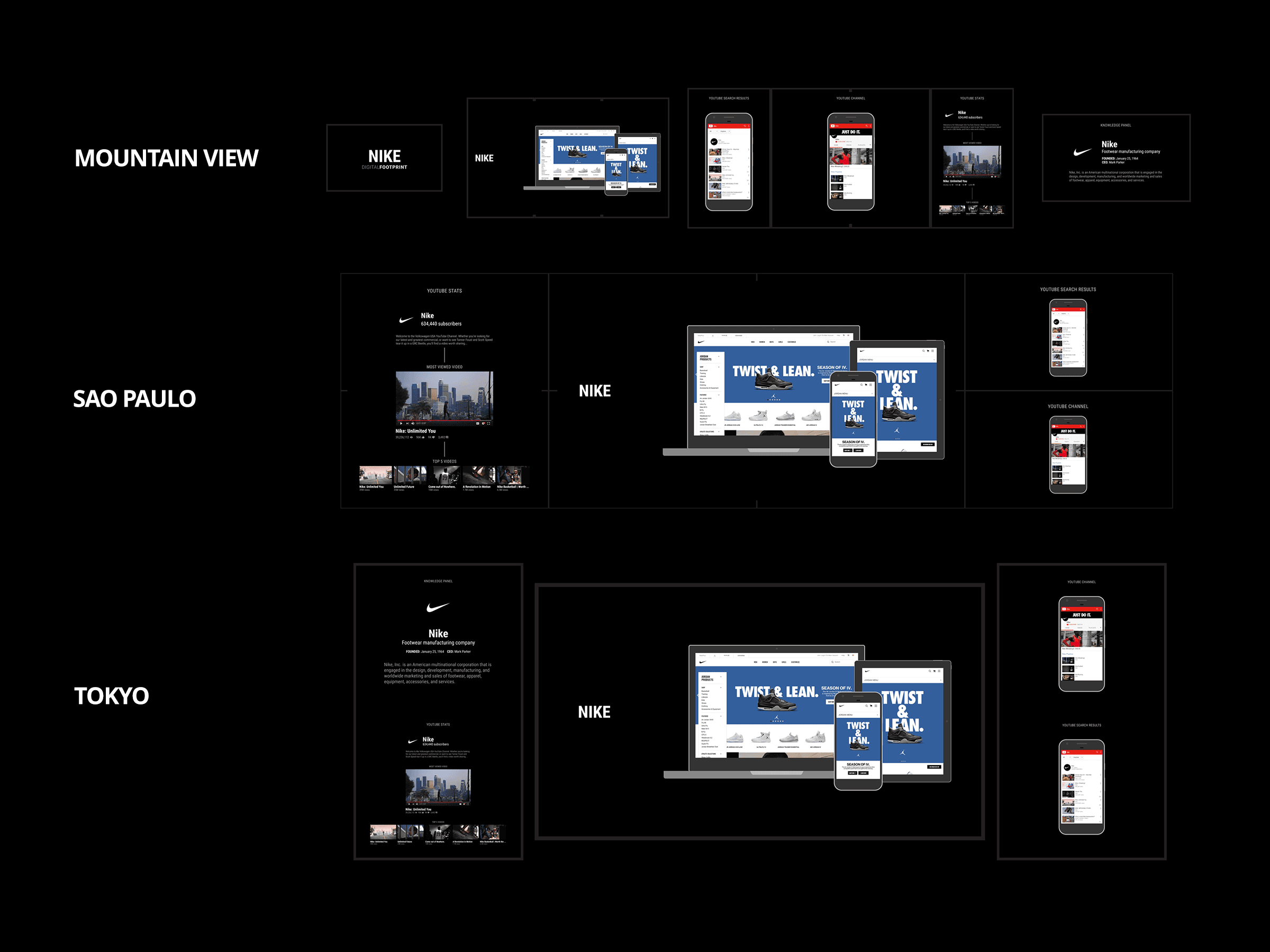
A globally scalable exhibit adopted across Google Experience Centers
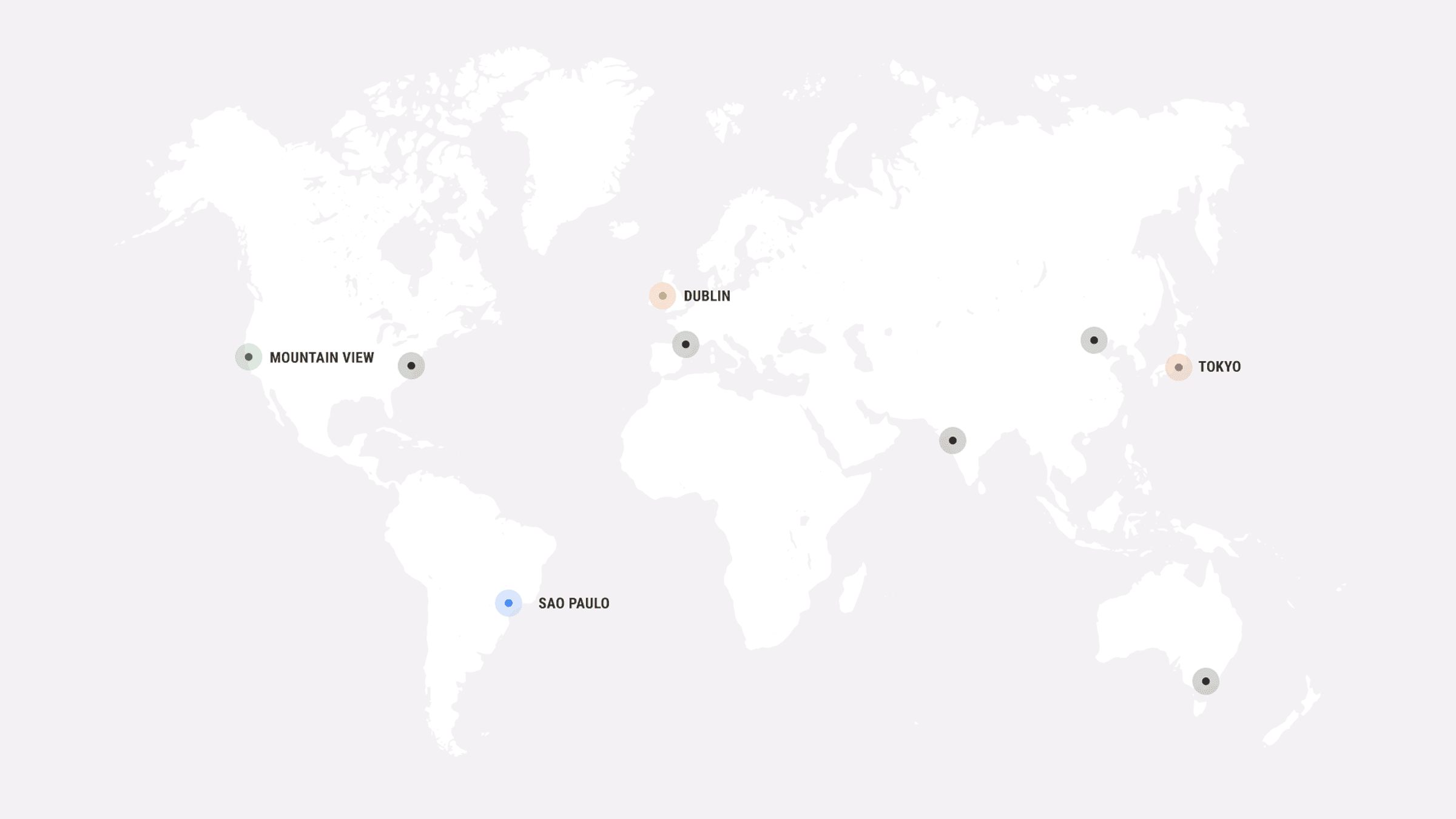
Digital Footprint 2.0 launched first in Mountain View, California, followed by installations in São Paulo, Brazil, and Tokyo, Japan. After its early success, Google expanded the experience to additional Centers across New York, Berlin, Delhi, Beijing, and Melbourne.
The system quickly became one of Google Experience Studio’s most successful global exhibits, enabling consistent, immersive brand-storytelling conversations in diverse physical environments worldwide.
Digital Footprint 2.0 launched first in Mountain View, California, followed by installations in São Paulo, Brazil, and Tokyo, Japan. After its early success, Google expanded the experience to additional Centers across New York, Berlin, Delhi, Beijing, and Melbourne.
The system quickly became one of Google Experience Studio’s most successful global exhibits, enabling consistent, immersive brand-storytelling conversations in diverse physical environments worldwide.
-
More work
More projects drawn from the same creative vision and aesthetic language.